How Aluminum Castings contribute to durable industrial components
Wiki Article
The Function of Metal Casting beforehand Manufacturing Technologies
Metal Casting have actually especially influenced the evolution of manufacturing technologies. They offer one-of-a-kind style versatility, allowing the development of detailed geometries vital for numerous applications. Modern casting strategies are being enhanced by innovations like 3D printing and automation. These growths not only boost efficiency but also address difficulties in accuracy and sustainability. As sectors remain to advance, the duty of Metal Casting remains essential in shaping their future. What lies in advance in this vibrant area?The Advancement of Steel Casting Techniques
As the need for precision and effectiveness in production has grown, the evolution of Metal Casting techniques has undertaken substantial makeover. Historically, Metal Casting started with basic techniques such as sand spreading and lost-wax casting, which permitted artisans to create complex forms. Over time, advancements in technology presented procedures like die spreading and investment casting, enhancing accuracy and decreasing waste. Metal Castings. The intro of computer-aided style (CAD) and simulation software reinvented the drawing board, enabling suppliers to expect possible concerns and enhance styles before production. Additionally, the advancement of new materials, such as sophisticated alloys and composites, has expanded the range of applications for Metal Casting. Automation and robotics have additional refined casting processes, improving consistency and effectiveness. Consequently, the Metal Casting market has adapted to meet the requirements of contemporary manufacturing, concentrating on sustainability and development to remain competitive in an ever-evolving market
Applications of Metal Casting in Secret Industries
The developments in Metal Casting techniques have opened up a vast selection of applications across different industries. In the automobile industry, Metal Casting are essential for producing engine blocks, transmission housings, and various other essential parts that call for high toughness and durability. The aerospace sector uses castings for elaborate components like generator blades and architectural elements, guaranteeing lightweight yet durable solutions for aircraft.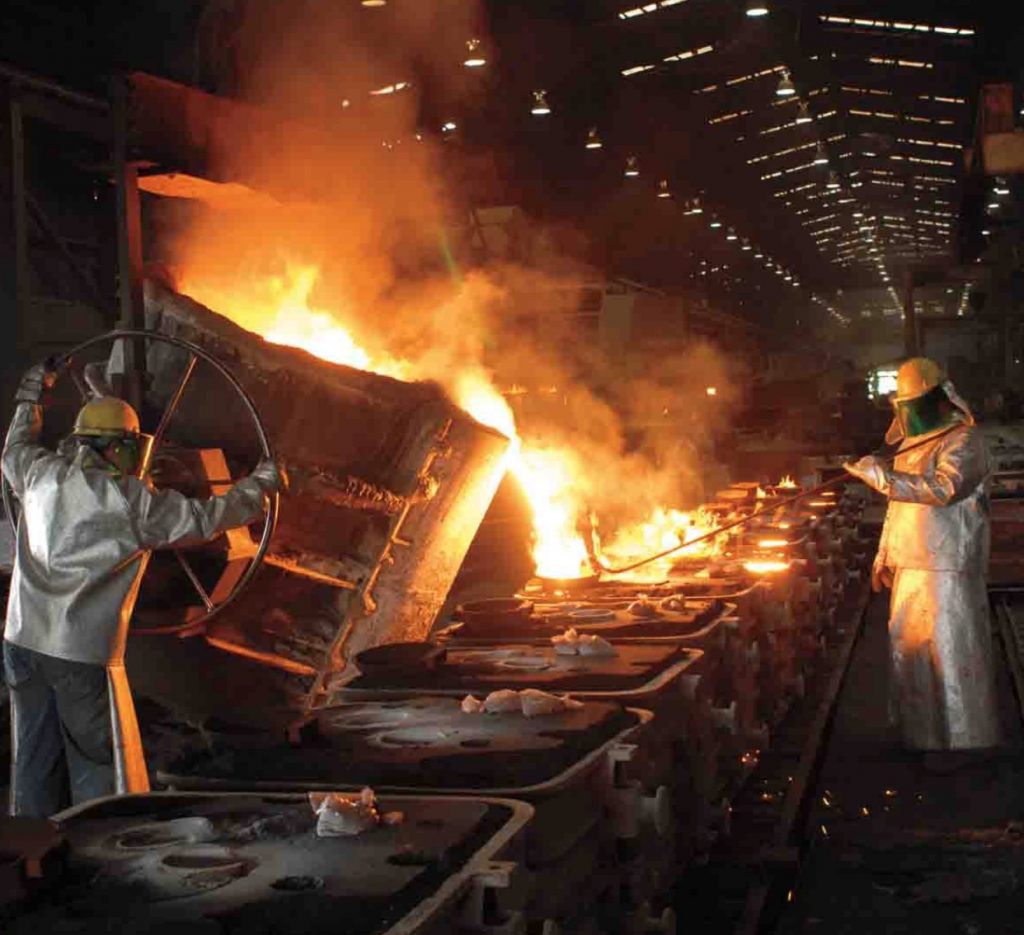
Furthermore, the construction sector uses Metal Casting for architectural elements such as light beams and installations, adding to the integrity of buildings and infrastructure. In the energy field, castings play a vital role in making elements for wind turbines and power generation equipment, boosting effectiveness and dependability. Furthermore, the clinical area gain from precision spreadings utilized in surgical tools and prosthetics, showing the adaptability of Metal Casting throughout diverse applications. This wide utilization underscores the significance of Metal Casting in contemporary manufacturing techniques.
Advantages of Metal Casting in Modern Manufacturing
Metal Casting offer countless benefits that greatly boost modern-day production processes. One vital benefit is design flexibility; Metal Casting enables the development of complex forms and elaborate geometries that are difficult or usually difficult to accomplish with other producing methods. This capacity allows manufacturers to enhance product layouts for performance and performance.Additionally, Metal Casting can support a wide variety of materials, including steel, aluminum, and iron, which can be customized to fulfill particular click for info mechanical properties and rust resistance needs.

Cost-effectiveness is an additional noteworthy advantage; Metal Casting processes can create big amounts of get rid of very little material waste, therefore decreasing manufacturing expenses.
The toughness of actors metal parts adds to the longevity of items, decreasing the need for constant replacements. On the whole, the benefits of Metal Casting considerably add to efficiency, sustainability, and innovation within modern-day manufacturing settings.
Developments Driving the Future of Metal Casting
While traditional Metal Casting techniques have actually served the industry well for decades, current technologies are poised to transform the area. Advances such as 3D printing technology permit fast prototyping and the manufacturing of complex geometries that were formerly unattainable. These developments not just boost design adaptability but additionally minimize waste and shorten lead times. Furthermore, the integration of automation and robotics in casting procedures is improving procedures, enhancing accuracy, and enhancing worker safety and security. The growth of composite materials and new alloys is enabling the development of stronger, lighter castings tailored for certain applications. Digital modern technologies, including synthetic knowledge and equipment learning, are maximizing spreading specifications and predictive maintenance, driving better quality assurance. Collectively, these advancements are pressing the boundaries of Metal Casting, fostering greater efficiency and sustainability in manufacturing, and positioning the market for future development and competition.Challenges and Solutions in Metal Casting Processes
As developments in Metal Casting innovation proceed to reshape the sector, various obstacles stay that makers have to resolve to totally utilize these technologies. One substantial concern is the irregularity in product properties, which can cause inconsistent top quality and performance. This irregularity typically results from variations in raw try this out materials and handling conditions. In addition, the rising prices of energy and products position economic constraints, pressing manufacturers to look for much more efficient procedures.To deal with these difficulties, companies are significantly embracing automated systems and progressed simulation techniques to boost accuracy and consistency. Applying high quality control steps throughout the production procedure likewise helps in spotting issues early. Spending in research for different materials might decrease prices and boost sustainability. By addressing these obstacles with cutting-edge solutions, the Metal Casting industry can enhance efficiency and maintain competition in the evolving manufacturing landscape.
Regularly Asked Questions
What Products Are Frequently Utilized in Metal Casting Procedures?
Typical products used in Metal Casting procedures consist of light weight aluminum, magnesium, bronze, and iron. Each product has distinct residential properties that deal with different applications, enhancing the adaptability and capability of the final cast products in various sectors.Just How Do Ecological Laws Influence Metal Casting Operations?
Environmental policies compel Metal Casting operations to embrace cleaner modern technologies and techniques, usually increasing production costs. Conformity might cause ingenious processes that decrease waste and discharges, eventually promoting sustainability Source within the Metal Casting industry.What Are the Precaution in Metal Casting Facilities?
Security measures in Metal Casting centers consist of appropriate air flow, personal safety tools, normal security training, devices maintenance, and adherence to safety laws, guaranteeing a protected setting for employees while lessening dangers related to unsafe products and processes.How Is Top quality Controlled in the Steel Casting Refine?
Quality assurance in Metal Casting entails strenuous examinations, consisting of aesthetic evaluations, dimensional checks, and product screening. Adherence to market requirements and applying quality administration systems assures that castings meet given demands throughout the production procedure.
What Is the Future Task Overview for Metal Casting Professionals?
The future work overview for Metal Casting professionals appears appealing, driven by advancements in innovation and boosting need across various industries (Wisconsin Aluminum Foundry). Growth in automation and sustainable methods will likely produce brand-new chances in this fieldHistorically, Metal Casting started with simple methods such as sand casting and lost-wax casting, which enabled artisans to produce intricate forms. Over time, innovations in modern technology presented procedures like die spreading and investment casting, enhancing accuracy and lowering waste. In addition, the medical area benefits from precision spreadings utilized in surgical instruments and prosthetics, demonstrating the adaptability of Metal Casting throughout diverse applications. Metal Casting offer numerous advantages that greatly enhance modern-day production procedures. Common materials used in Metal Casting processes consist of light weight aluminum, bronze, magnesium, and iron.
Report this wiki page